Great collaborations begin with an opportunity. And the best ideas often start with the curiosity to learn from others.
At Morillas, we believe design thrives when it embraces new perspectives, cultures and ways of thinking. That is why supporting initiatives that foster emerging talent and international collaboration is part of how we understand our role as a strategic design consultancy.
This year, we have had the privilege of taking part in Premio Barcellona 2026, an initiative promoted by the Italian Ministry of Foreign Affairs and International Cooperation, the Directorate-General for Contemporary Creativity of the Italian Ministry of Culture, and the Italian Cultural Institute of Barcelona, in collaboration with IED Barcelona.
The programme celebrates young design talent while strengthening the cultural and professional ties between Italy and Spain, creating opportunities for meaningful exchange between institutions, designers and industry.
Six months of shared learning
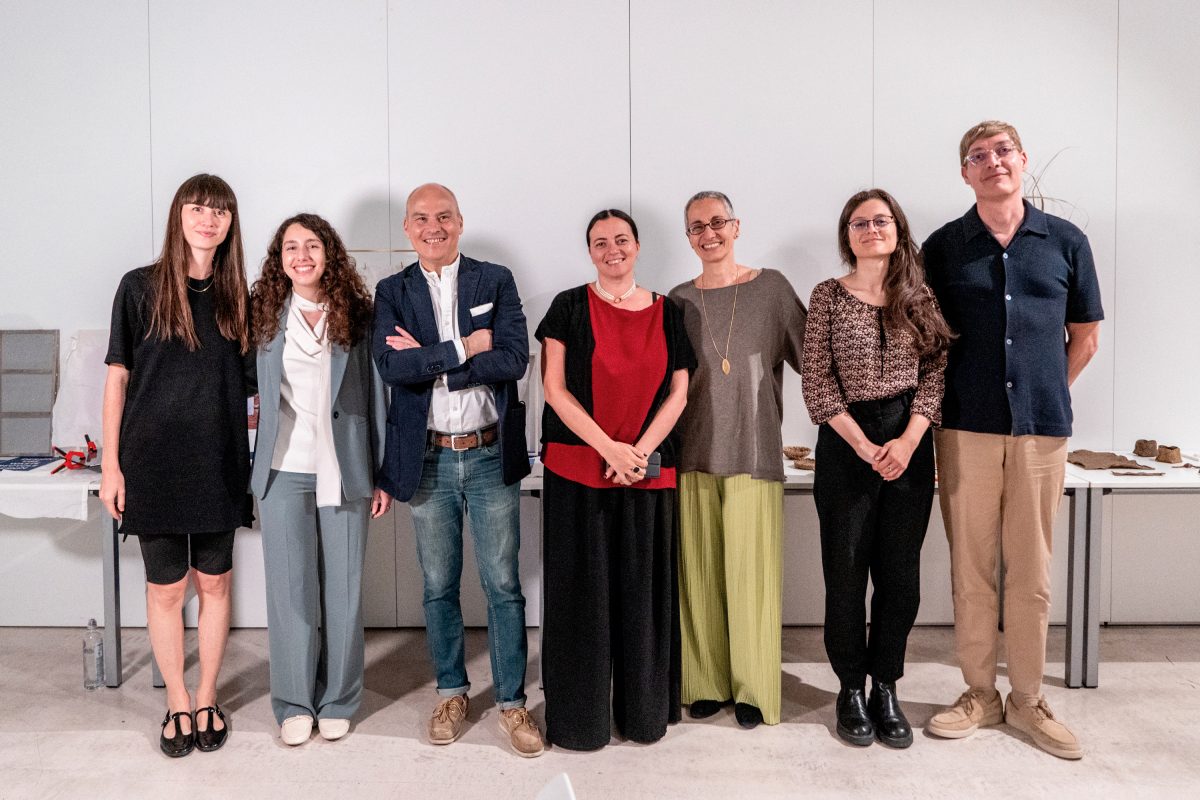
As part of this year’s programme, Morillas welcomed Camilla Campisano, winner of the fifth edition of Premio Barcellona, for a six-month residency.
Throughout her stay, Camilla collaborated with our multidisciplinary teams on a range of projects while gaining first-hand experience of our approach to strategic design, branding and innovation. At the same time, she continued to develop her own creative perspective, bringing fresh ideas and valuable insights to every collaboration.
More than a professional experience, the residency became an opportunity to exchange knowledge, methodologies, and different ways of approaching design challenges within an international environment.
“Rice Roots”: exploring sustainability through design
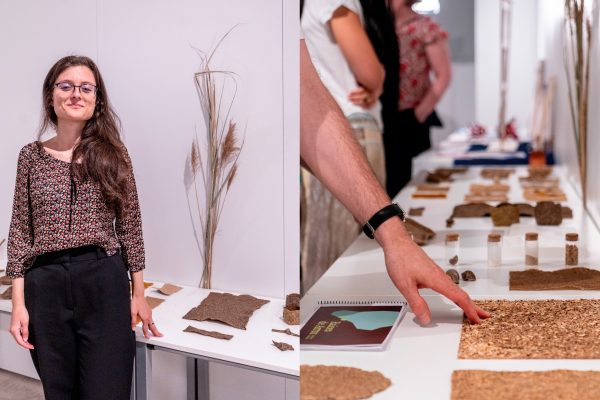
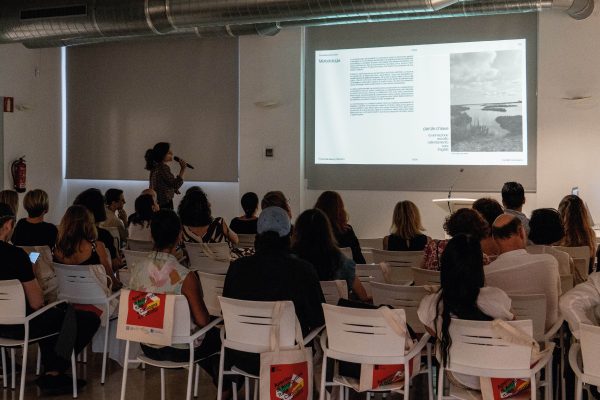
As part of the residency programme, Camilla also developed her personal research project, “Rice Roots”, which was presented on 17 July at IED Barcelona.
The project explores how rice husk can be transformed into a versatile biomaterial capable of supporting circular economy initiatives in the Ebro Delta. Beyond its material applications, the research highlights the region’s agricultural heritage, local identity and collective memory, demonstrating how design can generate sustainable solutions rooted in place.
It is a powerful example of how design can connect innovation, environmental responsibility and cultural storytelling to address real-world challenges.